By Stephen Logan
Content note: This personal story includes references to suicide, bereavement and mental health.
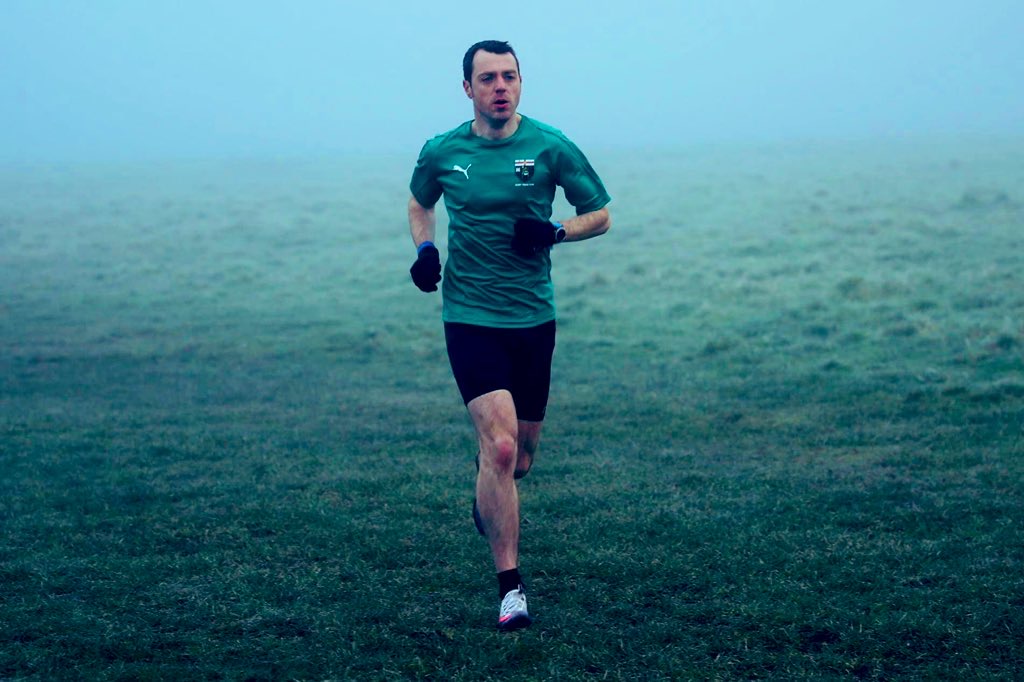
My running journey didn’t begin with grand marathon aspirations, a bucket list or even a desire to chase fast times. It started in the wake of tragedy with a colleague who died by suicide. In that immediate, shattering aftermath, running became a vital coping mechanism, offering the only space where I could process the unprocessable. It was a lifeline when words failed, a way to put one foot in front of the other when the ground beneath everything else felt entirely gone and I couldn’t cope.
Over time, those initial miles transformed into something fundamental to who I am and how I navigate the world both personally and professionally.
Today, running is an essential part of my life. As Principal of a secondary school and working across educational leadership roles, my days are filled with challenges, decision-making and constant interaction. Education is a deeply rewarding profession, but it is also one that demands immense energy, empathy, and resilience.
That is why running remains vital.
For me, running is far more than physical exercise; it is a mental release and a dedicated space for reflection. Whether it’s an early morning track session, a weekend road run, or a steady effort after a long school day, running offers a clarity that is hard to find anywhere else. It’s where problem-solving happens without the noise of notifications, where perspective is restored, and where stress is quietly burnt off. I often find that my best ideas and clearest leadership insights don’t come while sitting at a desk, but somewhere around the third or fourth mile.
Managing regular training alongside a career in education requires intentionality, but I view it not as something competing with my work, but as something that actively sustains it. Prioritising time for physical and mental well-being isn’t selfish it makes me a better leader, a better colleague, and a more present person. It teaches you consistency, discipline, and patience: the understanding that real, meaningful progress is built through small, continuous efforts repeated over time.
Along the way, there have been some incredible personal highlights from taking on the endurance test of the Apex Challenge to lining up at the Amsterdam Half Marathon and racing overseas at the Carlingford 5K. These experiences, coupled with founding the High Performance Foundation, have shown me firsthand how sport and shared purpose can inspire, connect, and transform communities.
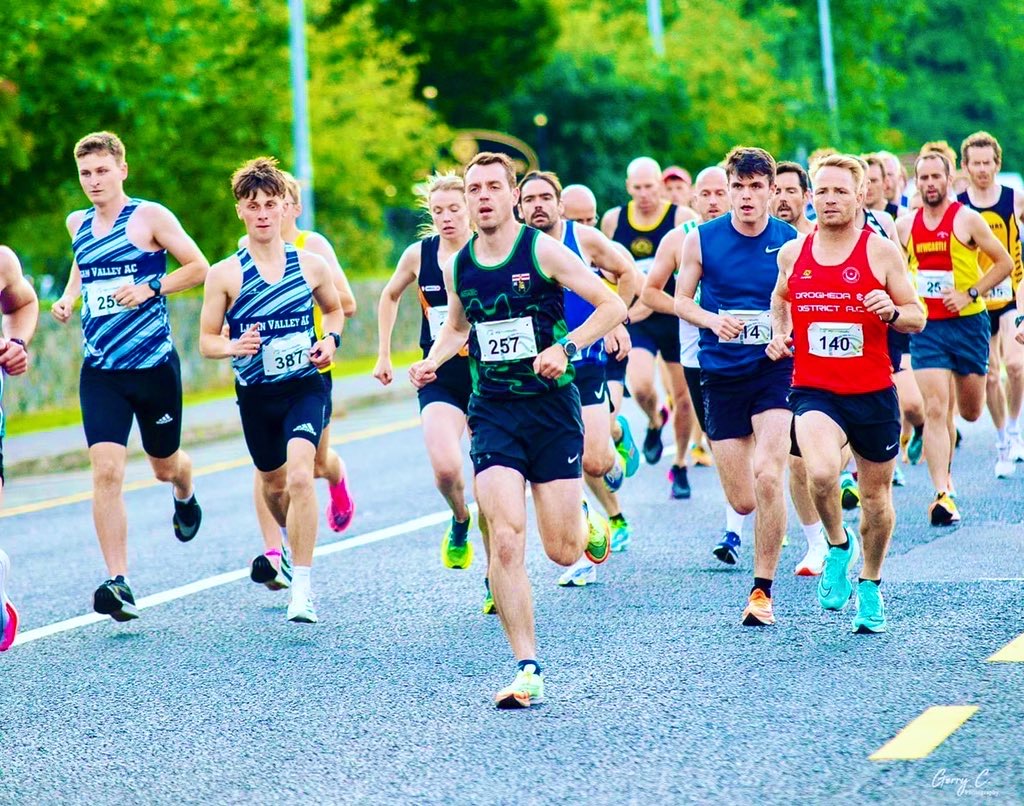
That same drive has helped me push my personal limits on the road and track, setting personal bests that I’m quietly proud of from a 16:54 Parkrun and a 16:43 5K, through to a 34:37 10K, a 58:06 10-miler, and a 1:17 half marathon. My biggest privilege is running with the East Yorkshire Road Runners group every week.
Equally central to my running life is the parkrun community itself. Crossing the milestone of 350 parkruns is a reminder of what the movement stands for. Every Saturday morning at 9:00 am, thousands of people from all walks of life gather in parks across the country. There are no barriers, no egos, and no prerequisites just a community coming together to move, support one another, and start the weekend right.
Whether I’m running at my local event on the Beverley Westwood or visiting another course, parkrun embodies the very best of community spirit. It reminds me daily of the power of accessible sport and inclusive environments principles that mirror exactly what we strive to build in our schools.
The personal and professional impact of running has been profound. Professionally, it has strengthened my mental stamina, taught me to embrace discomfort, and reinforced the value of steady, long-term effort over quick fixes. Personally, it brings energy, balance, and a constant connection to a supportive running community, while keeping me grounded in why taking care of our mental health matters so deeply.
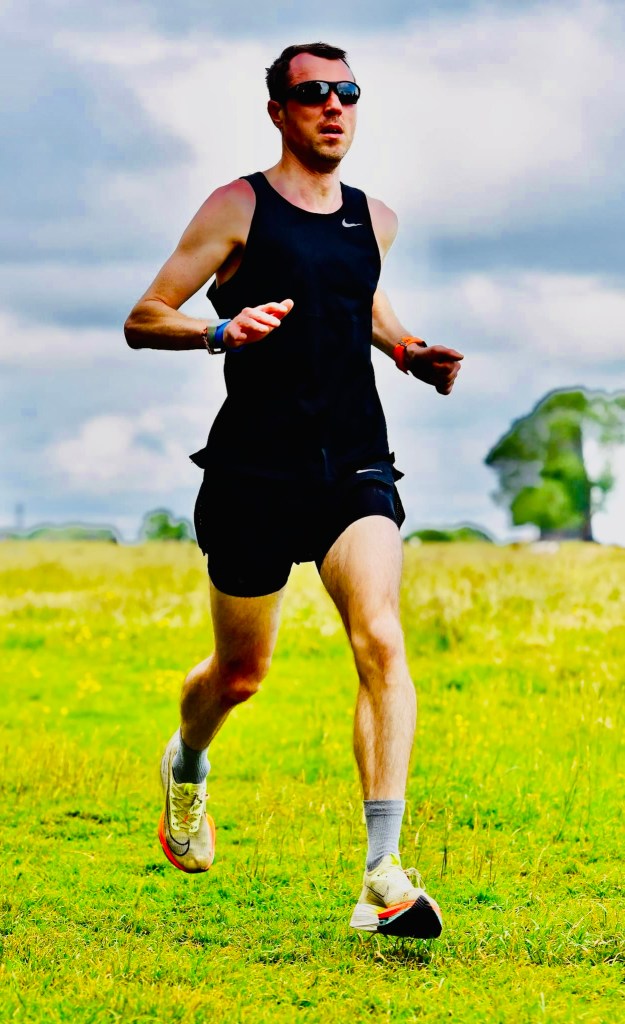
To anyone in education or any demanding field who is navigating difficult times, considering taking up running, or simply trying to find time for themselves, my advice is to start where you are. You don’t need to be fast and you don’t need to cover long distances. Just lace up a pair of shoes, step out the door, and give yourself that time. The benefits far exceed the physical workout.
Stephen Logan
Principal, Healing Academy | Harbour Learning Trust
What does running give you?
STRIDE Stories are real experiences from people working across education — sharing what running, movement and community mean to them.
Share your story → hello@stride-education.org
Stay part of the STRIDE journey.
STRIDE is growing — and there’s more to come.
Subscribe for member stories, community challenges, practical ideas for finding your stride, and new thinking about sustainable working and flourishing in education.
No clutter. Just occasional emails worth opening.
By subscribing, you agree to receive occasional emails from STRIDE. You can unsubscribe at any time. See our Privacy Policy.


Thank you, Stephen, for sharing such a powerful and personal story. As a headteacher and runner myself, so much of this resonates with me, particularly your reflection that running is “not something competing with my work, but as something that actively sustains it.”
That really captures what STRIDE is about. Running gives us space to think, time to reset and a sense of connection that can make such a difference in our working and personal lives.
I’m incredibly grateful that you’ve shared your experiences with our growing community.
LikeLike